Chase Electrical · Advice
Electrical advice
Clear answers to everyday questions about electrical safety, home upgrades and energy use.
Electrical safety
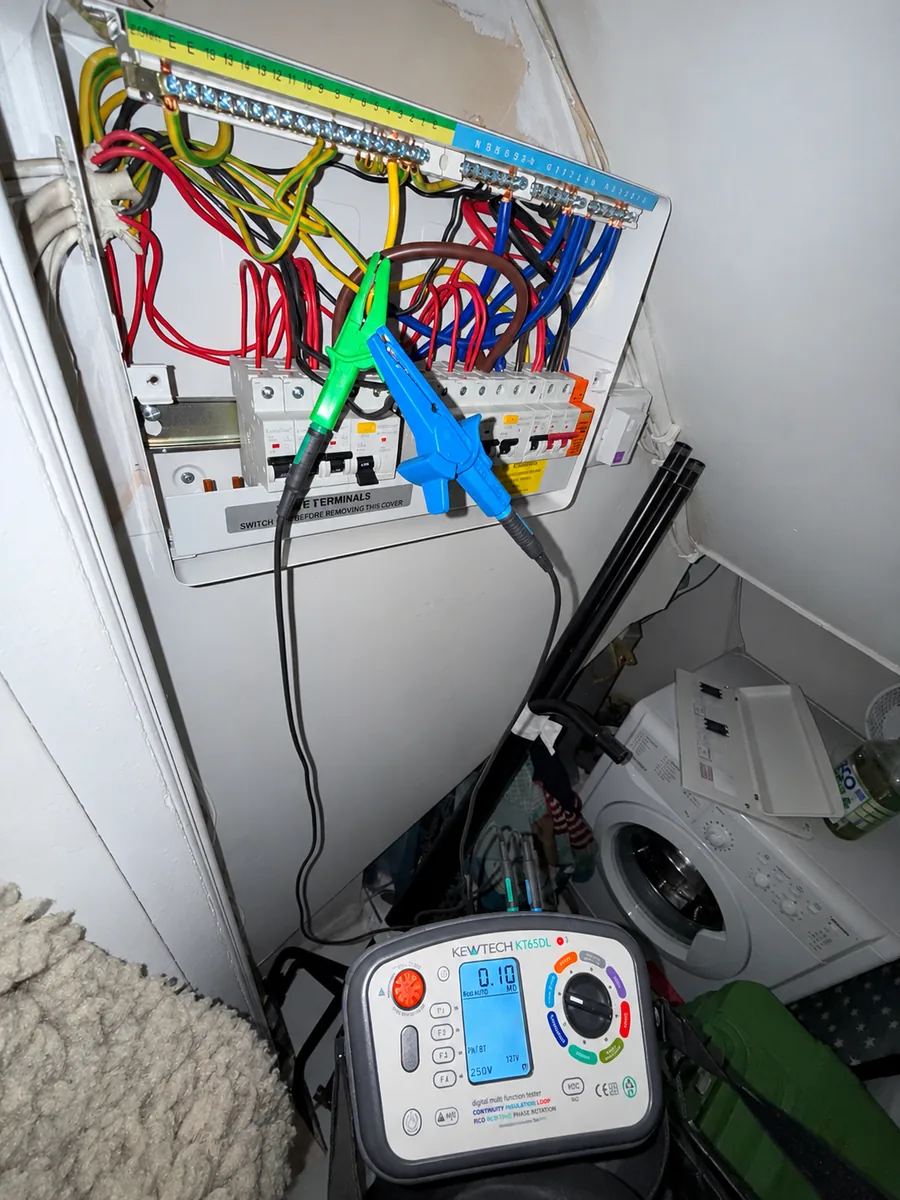
Why might I need electrical remedial work after an EICR?
Remedial work corrects defects identified during inspection and testing. An unsatisfactory EICR does not automatically mean a full rewire: the work should address the report’s actual findings.
Read article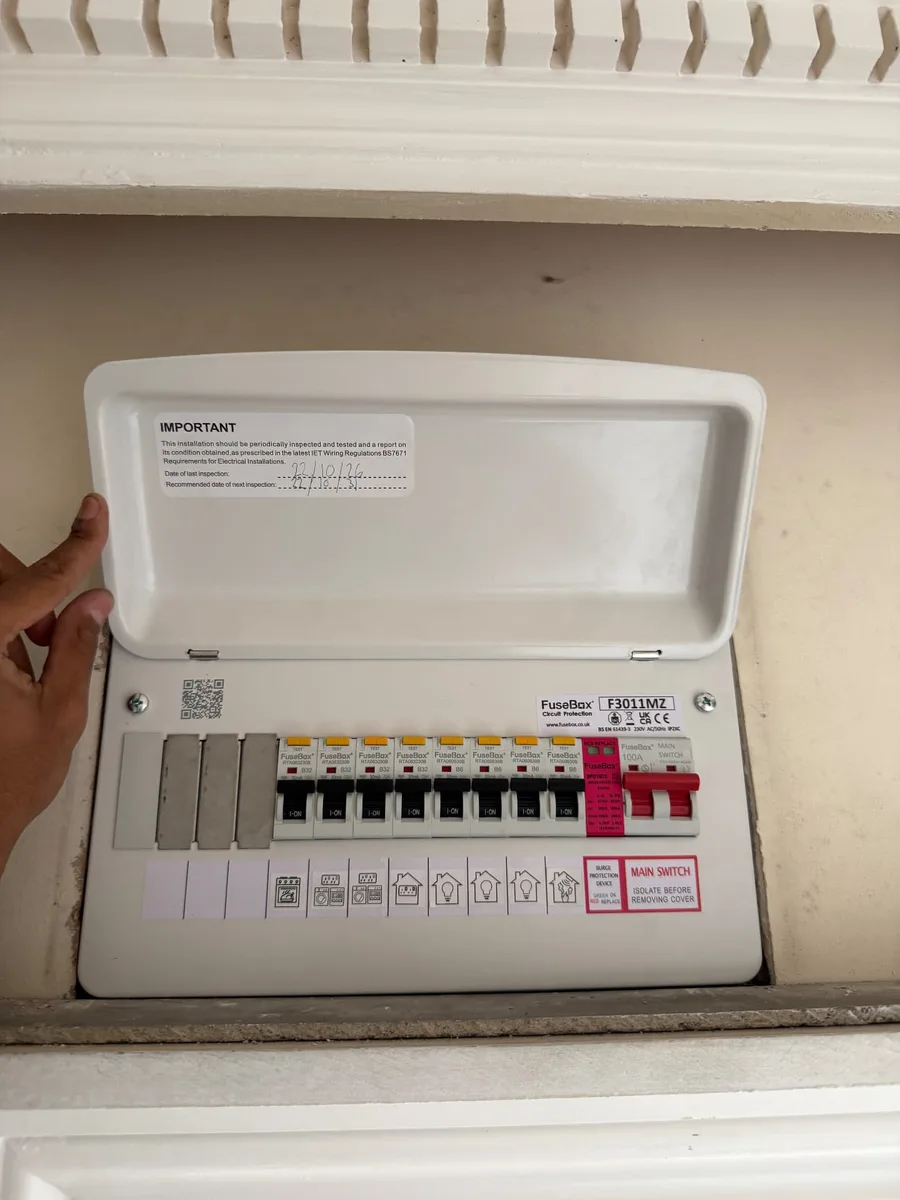
Circuit protection
Type AC and Type A RCDs: what is the difference?
Type AC RCDs respond to sinusoidal alternating residual current. Type A devices also respond to pulsating direct residual current, which can arise in equipment containing electronics. Selection depends on the connected equipment and circuit design.
Read articleCircuit protection
What is an SPD and why consider surge protection?
A surge protective device, or SPD, limits short-duration overvoltages that can damage electrical equipment. It is different from an RCD and does not replace protection against electric shock or overload.
Read articleHome upgrades
Do I need a metal fuseboard or consumer unit?
Modern domestic consumer units use non-combustible enclosures, commonly metal, to help contain fire. An older plastic fuseboard does not automatically mean you need a replacement: its condition and the wider installation must be assessed.
Read articleElectrical safety
RCD protection: what does it do?
An RCD detects an imbalance in current and disconnects the circuit when its operating threshold is reached. It can reduce the risk of certain electric shocks, but it cannot protect against every shock and is not a substitute for safe wiring.
Read articleElectrical safety
Earthing and bonding: why are they important?
Earthing provides a protective path for fault current so that protective devices can disconnect. Bonding connects relevant conductive parts to reduce dangerous voltage differences. They are related safety measures, but not the same thing.
Read article
Energy saving
Does an empty socket use electricity when switched on?
An ordinary socket with no plug inserted and no built-in electronics does not normally consume electricity simply because its switch is on. With no connected load, there is no useful current being drawn through it.
Read articleEnergy saving
How can I reduce electricity costs safely?
Start with efficient lighting, avoidable standby consumption and how you use high-energy appliances. Savings depend on your equipment, usage and tariff; electrical safety should never be compromised to reduce a bill.
Read articleFree, no-obligation
Get your free quote
Tell us about the job and we'll get back to you quickly with clear, fixed pricing. Prefer a quick chat? Message us on WhatsApp or give us a call.